
Ontario High School Curriculum
CGC1W - Exploring Canadian Geography
This course builds on learning in Grades 7 and 8 in geography. Students will explore relationships within and between Canada’s natural and human systems and how they interconnect with other parts of the world. Students will also examine environmental and economic issues, and their impact related to topics such as natural resources and industries, careers, land use and responsible development, and sustainability. In addition, students will understand the connections that diverse communities and individuals have with the physical environment and each other throughout Canada, including First Nations, Métis, and Inuit perspectives. Students will apply geographic thinking, use the geographic inquiry process, and use geospatial technologies throughout their investigations.
A. Geographic Inquiry and Skill Development:
This strand highlights the geographic inquiry process and the geospatial technology skills that students need in order to think critically about geographic issues relating to interactions within and between the natural environment and human communities in Canada. This strand also highlights learning about careers in which a geography background and related skills might be an asset, including careers related to science, technology, engineering, and mathematics (STEM) and the skilled trades. Throughout the course, students will apply the geographic inquiry process, the concepts of geographical thinking, and related skills and emerging technologies in a variety of contexts, from local to global. In so doing, they will develop their ability to think critically, evaluate sources of information, including that which was produced using new technologies, solve problems, and work collaboratively to make their community and Canada a more sustainable place in which to live.
B. Physical Geography and Physical Processes in Canada:
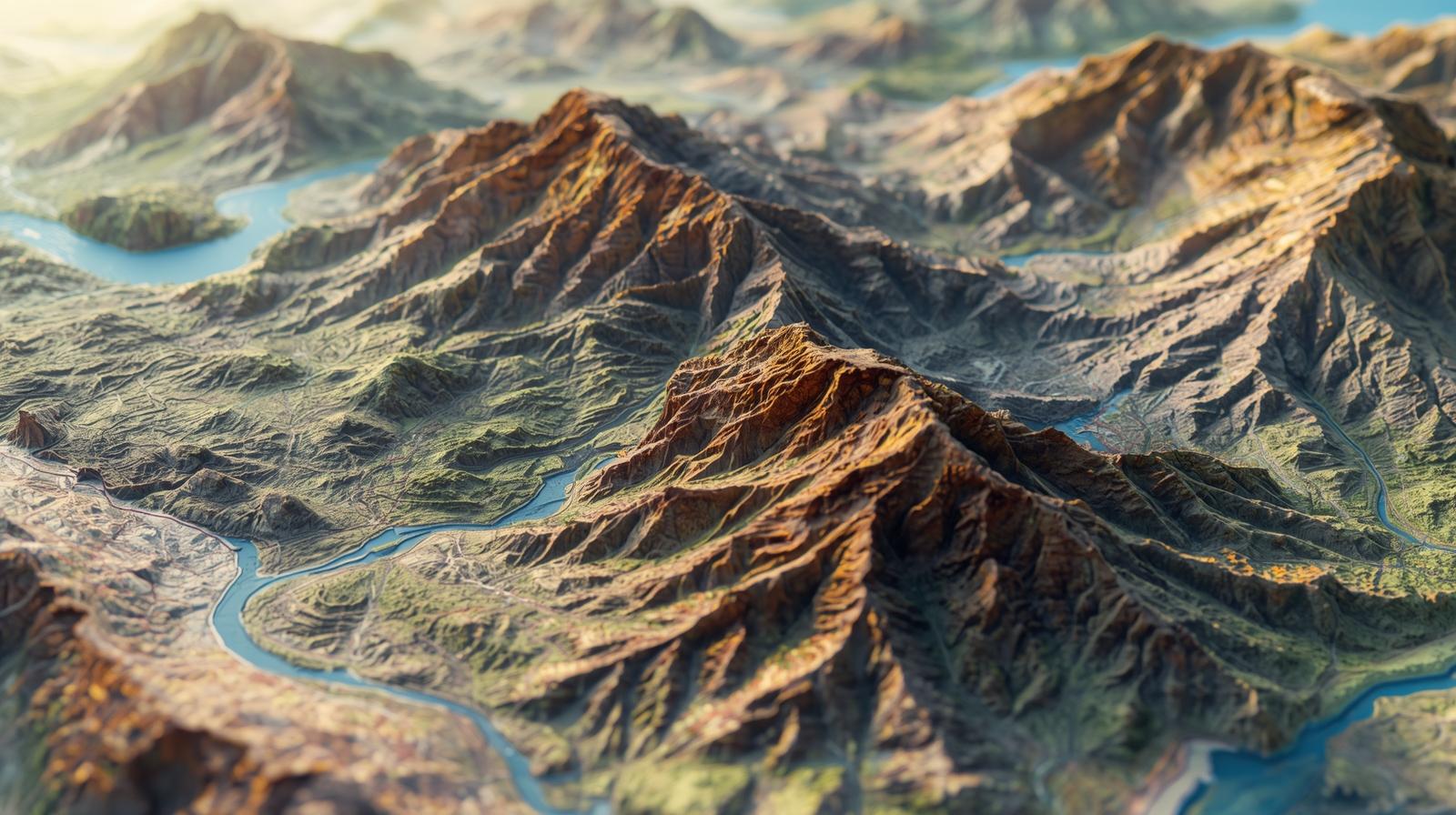
This strand develops students’ understanding of how physical processes, phenomena, and events have formed and continue to shape Canada’s landscape. They will analyze the role of physical systems and processes in shaping the natural environment and the many ways in which the natural environment influences the types of human activity that take place in communities across Canada. Students will make connections between the natural environment in Canada and how the physical geography is reflected in Canada’s identity. Students will also analyze the effects that human activities have on the Earth’s physical systems and processes.
C. Managing Canada’s Resources and Industries:
In this strand, students will analyze issues related to resources and industries in Canada, and assess the impacts of resource policy, resource management, and consumer choices on resource sustainability. They will also learn about various methods of clean energy production. Students will investigate the growing importance of knowledge-based industries and human capital in our economy, as well as innovative approaches to sustainable development within different industries. Students will assess the contribution of different industrial sectors to Canada’s export trade and economic performance. Students will also learn about various Canadian industries and careers, including skilled trades, in which the use and application of geospatial technologies is important.
D. Changing Populations:
In this strand, students will analyze trends in Canada’s population and assess the implications of these trends in local, national, and global contexts. Students will develop their data analysis skills while they explore factors that contribute to quality of life and well-being in Canada. Students will have the opportunity to analyze geographic issues associated with population demographics and settlement patterns and to assess strategies that could be used to address the economic, environmental, social, and political implications of an aging and increasingly diverse population.
E. Liveable Communities:
This strand focuses on the need for students to recognize how the infrastructure of a community can affect its liveability and its environmental, economic, and social sustainability. Issues relating to land use, urban growth, energy production and consumption, and human systems are analyzed. Students will have the opportunity to analyze various strategies and innovative practices in community and land-use planning.